



Ẹ káàrọ̀ dear readers,
As we continue our journey through the wisdom of Ifá, this week we turn our attention to one of the most profound mysteries of life—death. Through the sacred teachings of Odu Otura Owonrin, we explore death not as an end, but as a return to the source, a transition that reunites us with Olodumare. Together, let us reflect on this journey with reverence, embracing the truth that death is part of the divine plan, filled with meaning and grace.
"The Omniscient One knows those who wickedly shoot others.
People of the farm knowing people of the town, travelers of earth and travelers of heaven;
we will see each other again.
Termites do not scatter unless they reassemble again,”
was the one who cast Ifá for us humans who are mourning one who has died.
Where the people of earth have come from is where they are returning to.
What are tears for? What is sorrow for?
What is raising oneself up and down for? What is fasting for?
He who sends one to come is he who is calling him to return home."
— Odu Otura Owonrin
In today’s DAILY IFÁ, we are invited to explore the complex and often misunderstood subject of death. The verses from Odu Otura Owonrin remind us that death, in the wisdom of Ifá, is not an end but a transition—a return home. Through this Odu, we come to understand that just as life is sacred, so is the journey back to the source, back to Olodumare.
Death as a Return to the Source
In the verse above, Orunmila teaches that we come from the divine and return to the divine. “Where the people of earth have come from is where they are returning to.” This powerful message reframes death not as something to fear, but as a sacred return to our origins. We, the travelers of this earthly plane, are merely passing through on a journey ordained by Olodumare. In life, we learn, grow, and experience, and when the time comes, we are called back to the place from which we came.
This perspective reminds us of the cycle of life, death, and rebirth that is deeply embedded in Yoruba cosmology. Death is not a rupture but a reunion. The Odu speaks clearly: “He who sends one to come is he who is calling him to return home.” Olodumare, who gave us life, calls us back when our time in Ayé is complete.
The Futility of Earthly Attachments
Otura Owonrin challenges us to reflect on the earthly attachments we hold onto so tightly. The verse asks, “What are tears for? What is sorrow for? What is raising oneself up and down for?” These are poignant questions. In Ifá, we are reminded that while we grieve for those who depart, our sorrow should not obscure the deeper truth that death is part of the divine plan. It is natural and inevitable, a transition as sacred as birth.
We are also reminded that what pleases us on earth often does not please Olodumare. This is a call to shift our focus from material and temporary concerns to the eternal. Our time on earth is fleeting, and our attachments to the things of this world—wealth, power, status—are ultimately hollow in the eyes of Olodumare. Death strips these away, leaving only our character and deeds as the true markers of our lives.
As we see in Odu Ika Ofun,
“All that is left behind is not ours.
Our true wealth is the legacy of good character we pass on to the world.”
- Odu Ika Ofun
When we return home, Olodumare does not measure our worth by earthly success but by how well we aligned ourselves with divine wisdom and the care we showed to others.
Eshu and the Mystery of Death
In the midst of this reflection on death, Otura Owonrin introduces us to Eshu, the trickster and mediator between worlds.
“If there were no Eshu, who would think of those who eat sacrifices?”
- Odu Otura Owonrin
This line is profound. Eshu is the one who makes us aware of the spiritual dimensions of life and death. Without Eshu’s guidance, humanity might remain lost in the physical realm, forgetting the greater spiritual reality that governs all.
Eshu, in his role as the guardian of crossroads, plays a key role in death, guiding the souls of the departed through the transitions between Ayé and Orun. It is through him that the veil between the living and the dead is lifted, reminding us that life and death are intimately connected, two sides of the same coin.
The verse further teaches that death is what reunites us with our divine origins. “If a child does not know his father, the earth is not right. Death is the one who takes a child to know heaven.” Through death, we come to know Olodumare more fully, just as a child, upon death, is reunited with the father. The darkness we encounter in death, symbolized by the night, is not something to fear. It is the darkness of mystery, the unseen that eventually brings light and understanding.
Sacrifice and Blessing in the Face of Death
Otura Owonrin also highlights the importance of sacrifice in preparing for death. “They heard and they sacrificed so that they might remain long on earth and that they might see blessings.” The sacrifices described—four white pigeons, four ewes, and two shillings—represent an act of humility before the divine forces, acknowledging the inevitability of death while also seeking longevity and blessings in life.
Sacrifice in Ifá is always an act of alignment. In the context of death, it reminds us that we are part of a larger cosmic order. By offering sacrifice, we honor the divine forces that govern life and death, ensuring that we remain in harmony with them. This act of giving also reflects a deep understanding that life is a gift, and in acknowledging that, we receive blessings that extend beyond this life into the next.
"Travelers of earth and travelers of heaven,
We will see each other again,
For where we came from, we shall return."
Until next week, stay blessed and embrace the sacred journey. May the wisdom of Ifá guide us in our reflections, may the blessings of Orunmila protect us, and may Eshu light our path through the mysteries of life and death.
Àṣẹ!
Babá Tilo de Àjàgùnnà
DAILY IFÁ
See my BLOG about the Stages of Death.
For all supporting subscribers, follow the revelation of Odu Ifá Otura Irosun for the coming week. Including a little DIY ritual for this path. The leading Orishá of the week is Orishá Yewa.
Weekly Prediction for Odu Ifá Otura Irosun
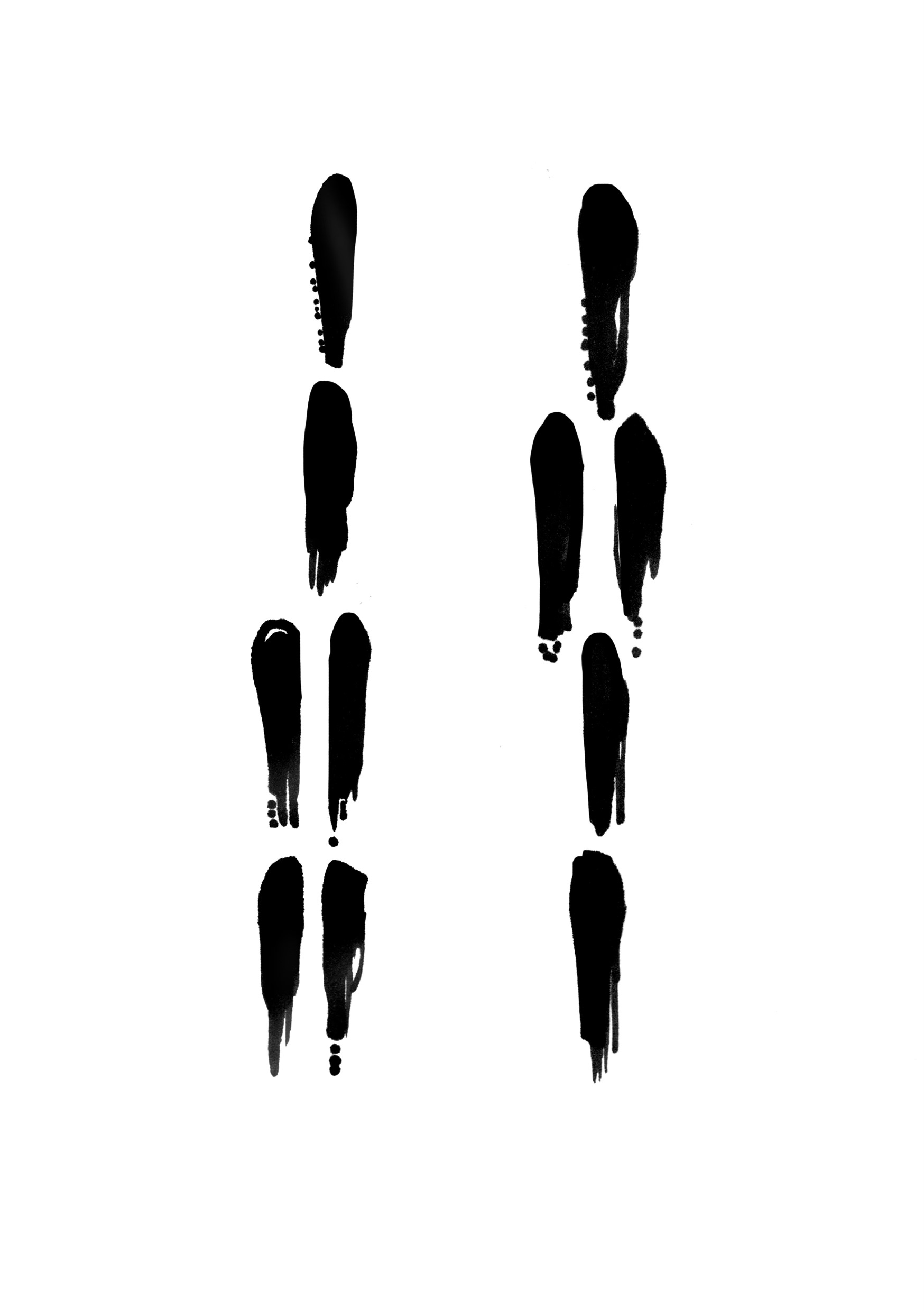
This week, Odu Ifá Otura Irosun invites you to reflect on the path of honesty, humility, and understanding the value of proper spiritual alignment. This Odu highlights the importance of making the right choices in life, avoiding deceit, and recognizing the divine forces that protect you, especially when faced with challenges related to destiny and obstacles in relationships, health, and finances.
Key Orishás Active on This Path
Yewa: This Odu is particularly tied to Orishá Yewa, the keeper of secrets, purity, and the mysteries of the earth. She teaches us the importance of discretion and the need to be mindful of our spiritual duties.
Obatalá: As the Orisha of peace and clarity, Obatalá offers guidance, helping you stay grounded and pure in thought and action.
Oduduwa: This Odu also suggests the presence of Oduduwa, signaling that the time is ripe for anchoring stability and strengthening ancestral connections.
Myth: The Tale of Yewa in the Forest
In this Odu, Yewa ventured deep into the forest in search of materials to adorn herself, despite warnings from Orunmila to perform certain sacrifices to ensure her safe return. Yewa, proud and confident, ignored this advice. As a result, she became lost in the forest, disappearing from her home and community. Her family searched for her in vain, and only through performing the long-delayed sacrifice were they able to retrieve her spirit, though she never physically returned.
This myth reminds us that when we ignore the advice of Ifá or our spiritual guides, we may lose ourselves in situations that lead to irreversible consequences. Yewa’s transformation into spirit serves as a warning to stay aligned with our higher purpose and to trust in the wisdom of the divine.
Proverbs of Otura Irosun:
"The eye of God sees all things; do not betray anyone."
This teaches that no act goes unnoticed by the divine. Even when you believe your actions are hidden, Olodumare watches. Betrayal, deceit, or neglecting your spiritual obligations will ultimately bring negative consequences.
"It is ignorance to challenge a lion when you are merely a mouse."
This emphasizes the need to recognize your own limitations and avoid engaging in conflicts that you are not prepared to handle. Humility is key on this path.
Consequences for the Week
In positive situations, Otura Irosun offers the promise of growth, harmony, and fulfillment, especially when you stay true to your values and maintain honesty. This Odu suggests that by keeping peace with others and adhering to spiritual obligations, you can expect significant blessings, particularly in the areas of personal fulfillment, health, and spiritual growth.
However, if deceit or betrayal is present, this Odu warns that it can lead to emotional and physical exhaustion, isolation, and betrayal from unexpected sources. It is crucial this week to avoid betrayal at all costs, as the eye of Olodumare sees everything.
DIY Ritual for Harmonizing the Positive and Protecting Against the Negative
Materials:
White cloth (for Obatalá)
Cowrie shells (representing Yewa)
Honey (for sweetness in relationships and communication)
Palm oil (for clearing blockages)
A small bowl of river water (symbolizing purity)
White candle (symbolizing peace and clarity)
Instructions:
Create a Sacred Space: Lay a white cloth in a quiet area and place cowrie shells and a small bowl of river water on it.
Honoring Yewa: Speak directly to Orishá Yewa, asking for her guidance in keeping secrets, wisdom in navigating challenges, and the strength to remain humble. Offer her honey and cowrie shells, asking for blessings in your relationships and protection from deceit.
Peace Offering to Obatalá: Light a white candle to symbolize purity and ask for Obatalá’s blessings of peace and clarity. Pour a small amount of palm oil at the base of the candle, symbolically clearing away any blockages or negativity from your path. Ask Obatalá for guidance in maintaining peace and humility.
Water Cleansing: Using the river water, gently wash your hands and face, symbolizing the purification of any lingering negativity or deceit that might be surrounding you. As you cleanse yourself, repeat the following: "May the purity of Yewa and the peace of Obatalá guide my steps this week."
Conclude: Allow the candle to burn for a few hours or until it naturally extinguishes, undisturbed. Dispose of the offerings respectfully, ideally near a natural water source or in a clean outdoor area.
By offering this peaceful and symbolic ritual, you will align yourself with the positive energies of Otura Irosun, drawing in clarity, honesty, and divine protection, while gently removing any negativity or blockages in your life.
Àṣẹ.
Babá Tilo de Àjàgùnnà