


Dear seekers of wisdom,
“Open the eyes; there is much to see.”
There is a reason Irosun is spoken of as the Odu of the eyes: it warns us that what we think is devotion can hide a trap, and what we call “faithfulness” can sometimes be fear wearing sacred clothing.
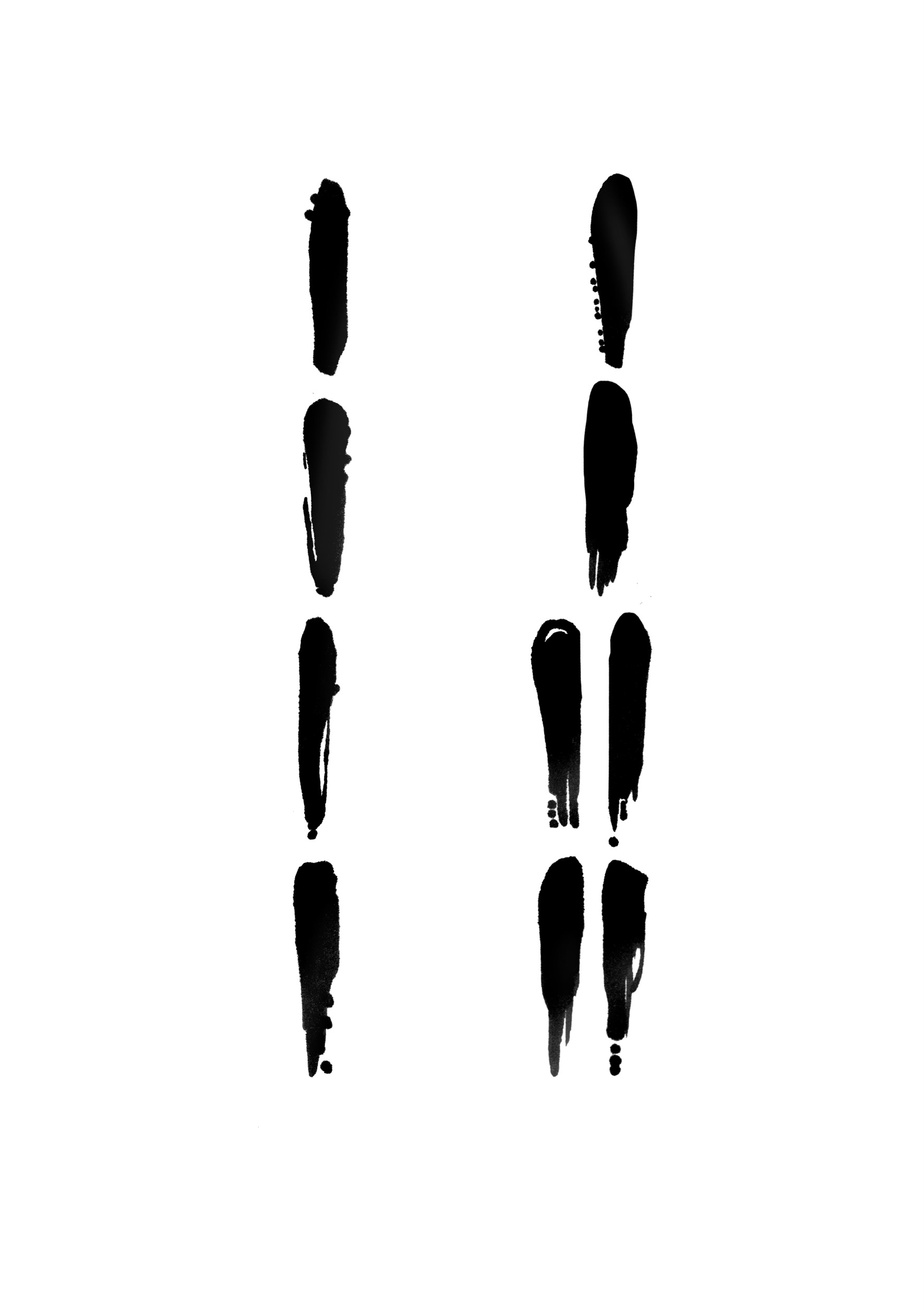
Today’s teaching comes through a mixed Odu from the Irosun family: Irosun Ògbè—where Irosun is the base Odu (the “left leg”) and Ògbè is the accompanying leg. Remember: Irosun Ògbè is not the same as Ògbè Irosun; direction matters, and so does the lesson.
And the lesson is sharp enough to cut ropes: fidelity vs. loyalty.
Narrative Teaching
We often use “loyalty” and “fidelity” as if they were twins. In Ifá, they are not twins—they are siblings who can quarrel.
Loyalty is attachment to a person, group, family, ideology, lover, teacher, boss, or lineage. Loyalty says: “I stand with you.”
Fidelity is allegiance to truth, oath, and divine order—first to Orí (your destiny-bearing inner head), then to the ethical spine of ìwà pẹ̀lẹ́ (gentle, balanced character). Fidelity says: “I stand in truth.”
When loyalty is guided by fidelity, it becomes noble. When loyalty is separated from fidelity, it becomes dangerous—because then you can be loyal to what is destroying you.
The Myth: The Path of Ogún, the Faithful Servant (Irosun Ògbè)
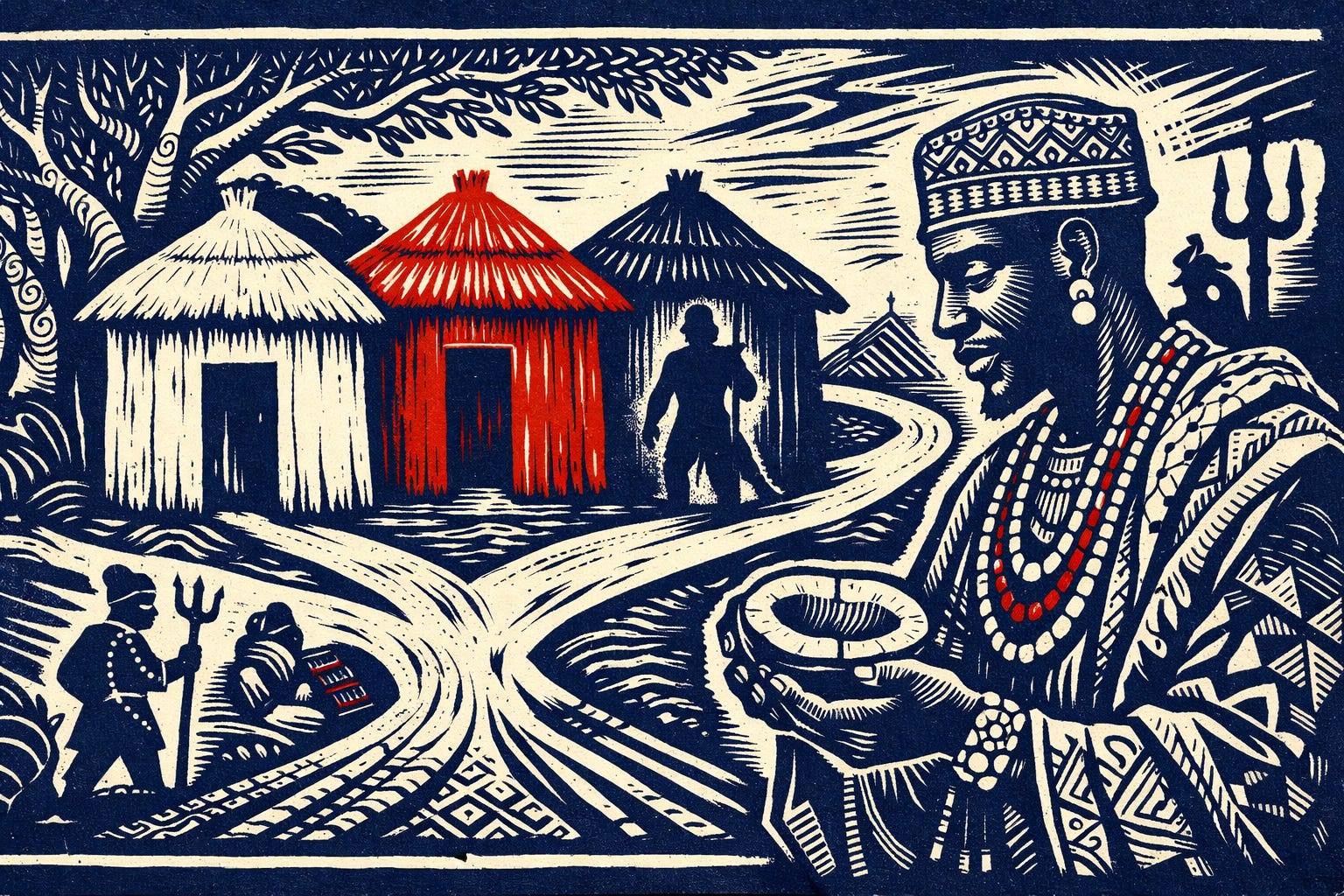
In one myth I collected from Cuba, the community turns against Orunmila and calls him to a place prepared for his death. Three huts stand painted in stark colors—white, red, and black—like a moral choice made visible. A warrior force waits inside one of them, ready to strike if Orunmila fails the test.
Orunmila does not run. He doesn’t beg. He doesn’t bargain. He tells his wife: if his guardian angel (his Orí) permits it, then let it be so. This is not passive resignation; this is fidelity—alignment with destiny even when destiny looks like a cliff.
Before the trap closes, Orunmila requests one last act: a rite for his head. He breaks a coconut, reads the message, and sees a sign that reveals: his Orí does not want him to die. The trap is exposed—not by politics, not by popularity, but by spiritual truth.
Then he does something even more surgical: he names what is inside the huts—wealth, metals, and the hidden threat. And in that moment, the warrior presence—named in the story as Òrágún—bows and declares itself Orunmila’s faithful servant, promising to restrain war.
So what saved Orunmila? Not the crowd. Not loyalty from the people. Fidelity to Orí and the clarity of Ifá.
The Proverb, Unwrapped
Irosun Ògbè carries proverbs that sound simple until you live them. One says, in essence:
“The one born to be a head—if they remain in the tail, it is bad.”
This is destiny-language. It is not about ego; it is about placement. It teaches a spiritual principle:
If your Orí is calling you to lead with integrity, but you stay behind out of fear—fear of rejection, fear of conflict, fear of losing approval—then your “loyalty” to the group becomes betrayal of self.
And betrayal of self is never rewarded in the long run. Another saying insists
“Sacrifice will be rewarded.”
Sometimes the sacrifice is not money or offerings—sometimes the sacrifice is the comfort of being liked.
Spiritual Insights & Teachings
Irosun is known to speak about the visible and the invisible—about what you can prove, and what only the soul recognizes. That makes it a perfect Odu for the loyalty/fidelity dilemma, because this dilemma is rarely about facts alone. It’s about hidden contracts:
The unspoken contract that says: “If I disagree, I will be abandoned.”
The secret oath that says: “If I tell the truth, I will lose love.”
The family spell that says: “If I break tradition, I betray my people.”
Ifá answers with spiritual realism: Loyalty must pass through the court of Orí.
And this is why Irosun Ògbè warns against chaos born from greed and conflict—because blind loyalty often turns into competition, inheritance fights, and “us vs. them” thinking.
There is even a practical, human proverb in the same cluster:
“Don’t go so fast that you cannot arrive.”
When emotions rise, loyalty rushes. Fidelity slows down to consult Orí.
Prayer (Yorùbá + English + Portuguese)
Yorùbá:
Ọ̀rúnmìlà, Ẹlẹ́rìí-ìpín, jẹ́ kí òtítọ́ mi mọ́.
Orí mi, gbé mi sórí rere, kí n má bà a fi ìbẹ̀rù ta ara mi.
Èṣù-Òdàrà, ṣí ọ̀nà mi sí ìwà pẹ̀lẹ́; kí o dá mi lójú nígbà ìdánwò.
English:
Orunmila, Witness of Destiny, let my truth be clear.
My Ori, lift me into right alignment—do not let fear sell me away.
Esu-Odara, open my road to gentle character; steady my eyes in times of testing.
Português:
Orunmilá, Testemunha do Destino, que a minha verdade fique clara.
Meu Orí, eleva-me ao caminho correto—que o medo não me venda.
Exu-Odara, abre meus caminhos para ìwà pẹ̀lẹ́; firma meus olhos no tempo da prova.
Unlock the Supporting Members’ Layer
If this reflection already stirred something in you, the Supporting Members’ section goes deeper—so you can apply Irosun Ògbè, not just admire it.
Supporting Members will receive: the key themes of Irosun Ògbè, its Orishas/Irunmole alignment, how it shows up in Ire vs. Osogbo, what it means for love, family, health, money, and spiritual development, plus a simple home ritual to strengthen fidelity to Orí.
Closing Insight
In the myth, the three huts are not just a trap—they are a mirror. The world will always build huts painted with emotion and threat, hoping you walk into one without consulting your head. Irosun Ògbè is the reminder that devotion without discernment is not sacred—it is simply obedient.
So choose loyalty—but only after fidelity. Choose community—but never at the price of Orí. And when your inner eyes open, you will recognize the servants of truth… and the traps dressed as love.
Babá Tilo de Àjàgùnnà
DAILY IFÁ